




Government Shutdown Ends, But Questions Remain About Enhanced ACA Subsidies
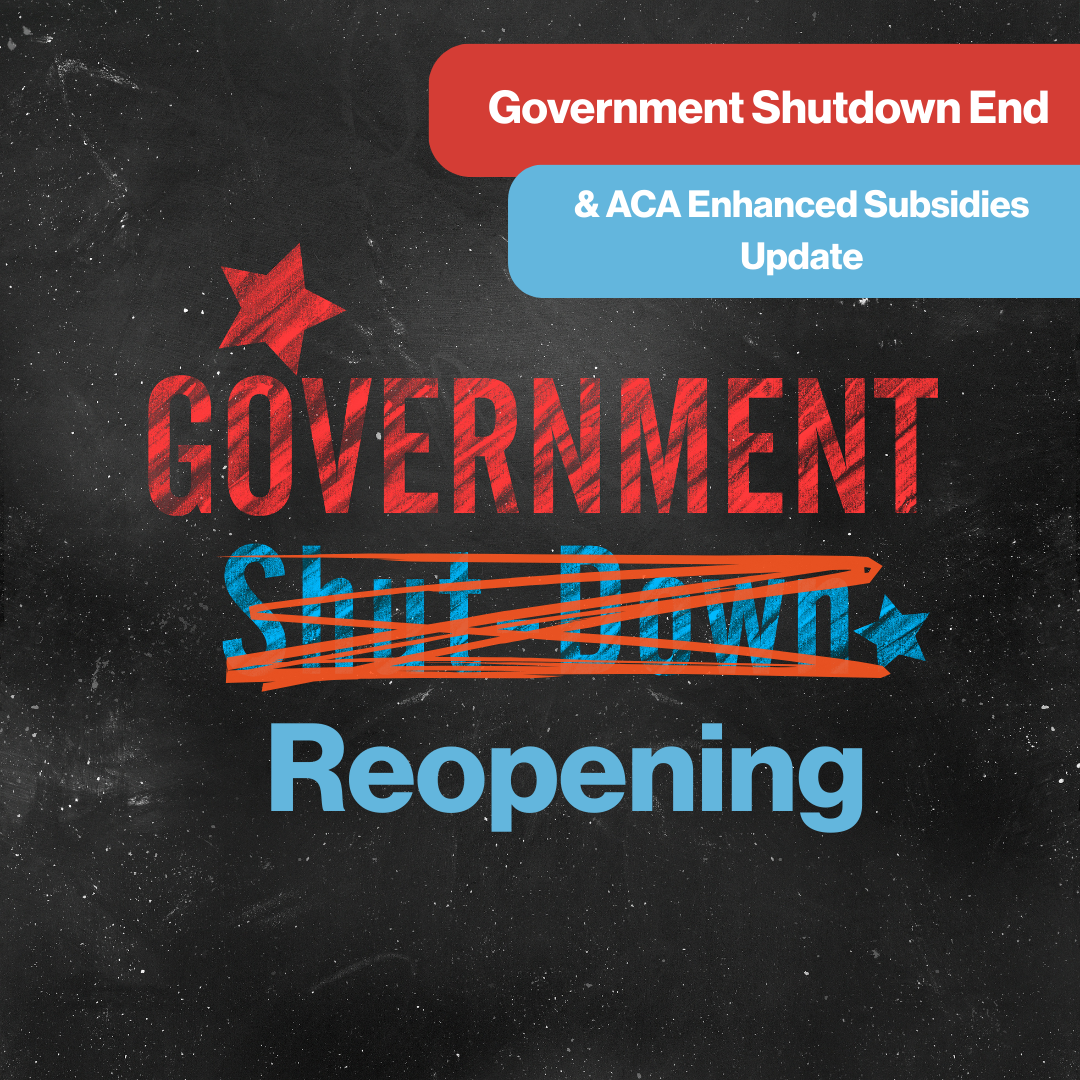
After a historic 43-day federal government shutdown, President Donald Trump signed legislation to reopen government operations. The shutdown, the longest in U.S. history, had disrupted programs ranging from air-traffic control to food assistance, creating anxiety for millions of Americans. While the immediate impacts of the shutdown are ending, uncertainty remains in one crucial area for patients and families: the future of enhanced health insurance premium subsidies under the Affordable Care Act (ACA).
After a historic 43-day federal government shutdown, President Donald Trump signed legislation to reopen government operations. The shutdown, the longest in U.S. history, had disrupted programs ranging from air-traffic control to food assistance, creating anxiety for millions of Americans. While the immediate impacts of the shutdown are ending, uncertainty remains in one crucial area for patients and families: the future of enhanced health insurance premium subsidies under the Affordable Care Act (ACA).
The Shutdown and Its Impacts
The deal, signed into law on November 12, extends partial government funding through January 30, 2025. Three of the twelve appropriations bills, including Agriculture, Food and Drug Administration, Veterans’ Affairs and Military Constitution, and Legislative Branch Appropriations, were fully funded for Fiscal year 2026. Federal employees sidelined by the shutdown have begun to return to work, and will receive backpay as part of the legislation.
The deal, signed into law on November 12, extends partial government funding through January 30, 2025. Three of the twelve appropriations bills, including Agriculture, Food and Drug Administration, Veterans’ Affairs and Military Constitution, and Legislative Branch Appropriations, were fully funded for Fiscal year 2026. Federal employees sidelined by the shutdown have begun to return to work, and will receive backpay as part of the legislation.
The shutdown had tangible effects on both the economy and public services. Economists estimate that the six-week disruption shaved a significant percentage of economic output each week, although much is expected to be recovered in the coming months. Critical services were significantly affected: air traffic controllers faced staffing shortages that led to delays and disruptions at major airports, and food assistance programs – including the Supplemental Nutrition Assistance Program (SNAP) benefits – were temporarily suspended or delayed, creating hardship for low-income families.
Despite the end of the shutdown, there is no clear political “winner.” Polling suggests Americans are evenly divided on who bears responsibility, with 50% blaming Republicans and 47% blaming Democrats. Lawmakers continue to navigate a tense political environment, balancing constituent needs with ongoing investigations and other legislative priorities.
ACA Enhanced Subsidies: The Ongoing Debate
While the government shutdown has ended, attention is shifting to health care policy, particularly the Enhanced Advanced Premium Tax Credits (e-APTCs), which help millions of Americans afford ACA coverage through the health exchange. These temporary federal subsidies, established during the pandemic, effectively reduce the monthly premiums for ACA health insurance based on income and are designed to cap how much households must spend on coverage. Without them, many enrollees will see their premiums rise sharply in 2026. The short-term funding deal did not include an extension of the subsidies, but Senate Majority Leader John Thune (R-S.D.) promised a Senate vote on ACA-related measures by mid-December. While there is opportunity for bipartisan negotiations, significant challenges remain.
While the government shutdown has ended, attention is shifting to health care policy, particularly the Enhanced Advanced Premium Tax Credits (e-APTCs), which help millions of Americans afford ACA coverage through the health exchange. These temporary federal subsidies, established during the pandemic, effectively reduce the monthly premiums for ACA health insurance based on income and are designed to cap how much households must spend on coverage. Without them, many enrollees will see their premiums rise sharply in 2026. The short-term funding deal did not include an extension of the subsidies, but Senate Majority Leader John Thune (R-S.D.) promised a Senate vote on ACA-related measures by mid-December. While there is opportunity for bipartisan negotiations, significant challenges remain.
Political and Policy Challenges
Several factors complicate the path forward for extending these enhanced subsidies. Many Republican lawmakers remain opposed to the ACA, viewing its design as flawed or inflationary. Some continue to favor partial or complete repeal, despite the failure of prior legislative attempts. On the Democratic side, health care access is a central priority, but their status as the minority party in Congress makes it more difficult for them to influence the legislative agenda.
Several factors complicate the path forward for extending these enhanced subsidies. Many Republican lawmakers remain opposed to the ACA, viewing its design as flawed or inflationary. Some continue to favor partial or complete repeal, despite the failure of prior legislative attempts. On the Democratic side, health care access is a central priority, but their status as the minority party in Congress makes it more difficult for them to influence the legislative agenda.
However, bipartisan efforts are percolating. Senators from both parties are exploring options to extend the enhanced subsidies or introduce alternative measures to improve affordability. Among Republican senators, there is a proposal to convert subsidies into pre-funded Health Savings Accounts (HSAs), which are tax-advantaged accounts individuals can use to pay for qualified medical expenses, including deductibles, copayments, and other out-of-pocket health costs. Significant disagreements remain within the party over the approach: Sen. Bill Cassidy, M.D. (R-La.) wants to keep the base ACA tax credits in place and use the enhanced subsidies to fund these accounts, while Sen. Rick Scott (R-Fla.) would allow the enhanced subsidies to expire and redirect base ACA subsidies to HSAs, a move that would essentially eliminate ACA premium subsidies.
The political process is also tightly controlled. Senate Majority Leader Thune and Speaker of the House Mike Johnson (R-La.) are managing negotiations and are not in favor of committee leaders or other lawmakers providing their own proposals. This makes it much more challenging to craft a deal extending the subsidies quickly. President Trump’s role could be pivotal as past interventions by the executive branch have influenced ACA policy, such as the administration’s previous adjustments to cost-sharing reductions and “silver-loading” measures.
Impact on Patients and Households
For patients and families who rely on affordable coverage to manage chronic conditions, access medications, or receive infusion and injection therapies, the stakes of the subsidy debate are especially high. As a patient advocacy organization, the Infusion Access Foundation is deeply concerned that a lapse or expiration in the enhanced ACA subsidies would introduce new affordability barriers at a time when many households are already stretched thin.
For patients and families who rely on affordable coverage to manage chronic conditions, access medications, or receive infusion and injection therapies, the stakes of the subsidy debate are especially high. As a patient advocacy organization, the Infusion Access Foundation is deeply concerned that a lapse or expiration in the enhanced ACA subsidies would introduce new affordability barriers at a time when many households are already stretched thin.
Even a short-term lapse in subsidies could have long-lasting consequences. Higher premiums may force patients to switch plans, change providers, or forgo coverage altogether, which can lead to delayed treatments, higher out-of-pocket costs, and worsening health outcomes. For people managing complex or chronic diseases, instability in insurance coverage directly threatens continuity of care.
During open enrollment season, patients need clear information and trusted support to navigate these uncertainties. To help individuals understand their options and make informed decisions, the Infusion Access Foundation has created a comprehensive Open Enrollment Guide, which breaks down plan choices, key deadlines, and strategies for maintaining access to needed treatments. We encourage everyone to review this resource and share it widely within their communities.
Looking Ahead
As the federal government resumes operations, policymakers face a tight timeline to address both the ACA subsidies and broader health care affordability. Possible outcomes include a temporary extension of subsidies, legislative fixes to the ACA, or the introduction of alternative programs designed to help patients manage costs. The coming weeks will be critical in determining whether millions of Americans maintain access to affordable health insurance in 2026. Advocacy, engagement, and careful attention to policy developments will be essential in the months ahead.
As the federal government resumes operations, policymakers face a tight timeline to address both the ACA subsidies and broader health care affordability. Possible outcomes include a temporary extension of subsidies, legislative fixes to the ACA, or the introduction of alternative programs designed to help patients manage costs. The coming weeks will be critical in determining whether millions of Americans maintain access to affordable health insurance in 2026. Advocacy, engagement, and careful attention to policy developments will be essential in the months ahead.